Slavic Hair vs Remy Hair: What Is the Difference?
When choosing premium human hair extensions, many clients see terms like Remy hair, Slavic hair, Russian virgin hair, European hair, and natural human hair. At first, these names may sound similar, but they do not mean the same thing.
The real difference is not only in the label. It is in the origin of the hair, the donor, the structure, the chemical processing, the cuticle condition, and how predictable the hair will be after washing, coloring, styling, and daily wear.
At DAJMUR, we work with natural Slavic hair because we believe the best result starts with honest sourcing, healthy donor hair, and careful preparation — not with factory processing.
The real difference is not only in the label. It is in the origin of the hair, the donor, the structure, the chemical processing, the cuticle condition, and how predictable the hair will be after washing, coloring, styling, and daily wear.
At DAJMUR, we work with natural Slavic hair because we believe the best result starts with honest sourcing, healthy donor hair, and careful preparation — not with factory processing.
What Is Remy Hair?
Remy hair is a technical term. It usually means that the hair cuticles are kept in the same direction from root to end. This helps reduce tangling and makes the hair smoother compared to non-Remy mixed hair.
However, Remy does not always describe the true origin or quality of the hair.
Hair can be called Remy and still come from different donors, different countries, different structures, or factory batches. It can also be chemically processed, colored, coated with silicone, or mixed with hair of different quality levels.
This is why “Remy hair” alone is not enough to understand whether the hair is truly premium.
A product can be Remy, but still be heavy, stiff, chemically treated, unpredictable after washing, or unsuitable for further professional coloring.
However, Remy does not always describe the true origin or quality of the hair.
Hair can be called Remy and still come from different donors, different countries, different structures, or factory batches. It can also be chemically processed, colored, coated with silicone, or mixed with hair of different quality levels.
This is why “Remy hair” alone is not enough to understand whether the hair is truly premium.
A product can be Remy, but still be heavy, stiff, chemically treated, unpredictable after washing, or unsuitable for further professional coloring.
What Is Natural Slavic Hair?
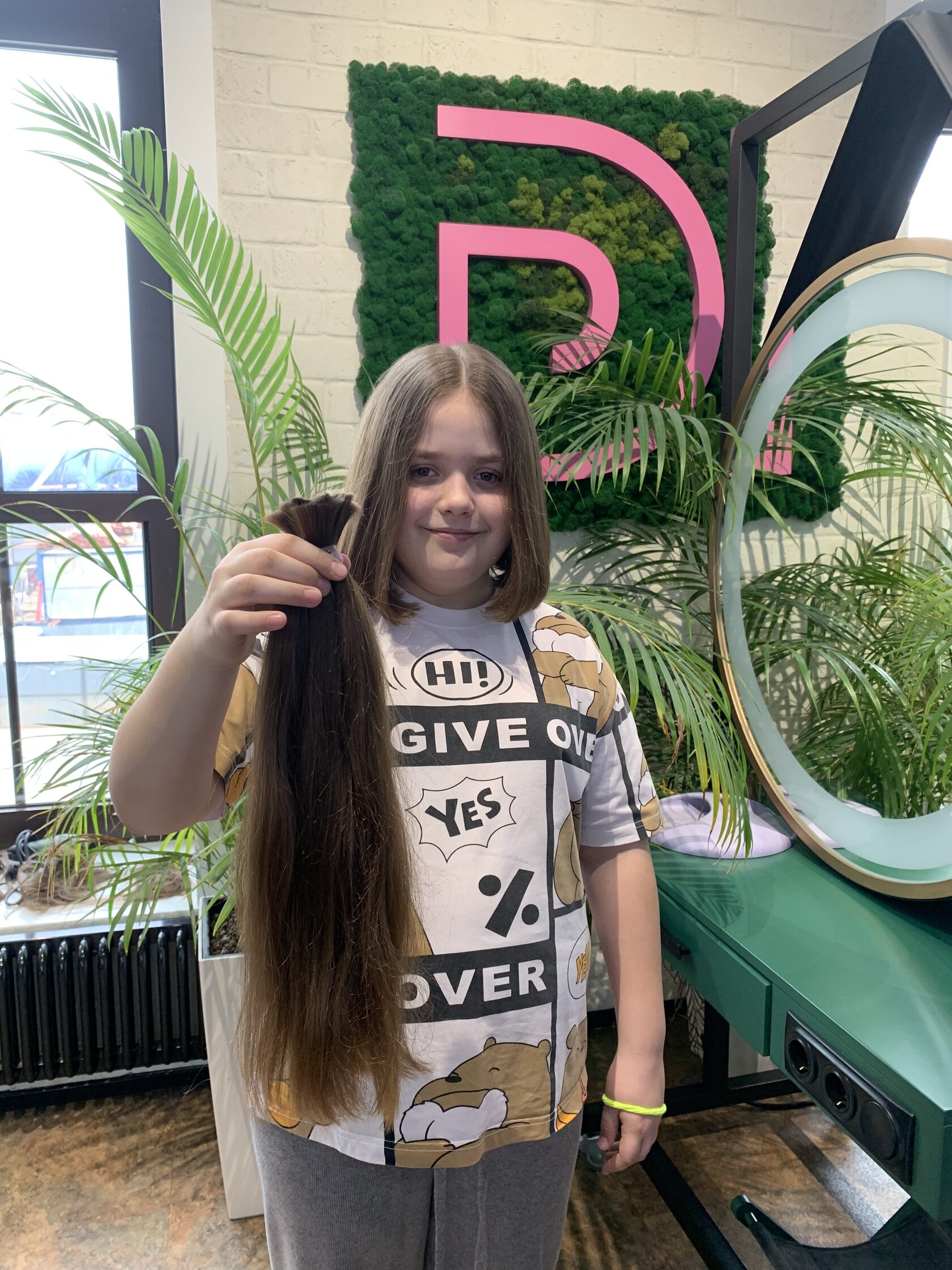
Slavic hair refers to hair collected from Slavic and CIS regions. This type of hair is highly valued in the premium hair extension market because of its naturally soft texture, lightweight structure, beautiful natural shades, and realistic movement.
Natural Slavic hair is usually finer, softer, and easier to blend with many European and American hair types. It is especially valuable for clients who want a natural luxury result rather than a heavy, artificial extension look.
At DAJMUR, we source natural Slavic hair directly from CIS countries. We personally check the hair, know the donors, and buy only healthy hair that meets our quality standards.
Natural Slavic hair is usually finer, softer, and easier to blend with many European and American hair types. It is especially valuable for clients who want a natural luxury result rather than a heavy, artificial extension look.
At DAJMUR, we source natural Slavic hair directly from CIS countries. We personally check the hair, know the donors, and buy only healthy hair that meets our quality standards.
Origin Matters More Than a Marketing Label
The biggest problem in the hair extension market is that many products are sold with beautiful names but unclear origin.
A client may see “premium Remy hair” or “European quality hair,” but this does not always mean the hair is truly natural, healthy, single-donor, or minimally processed.
Unknown-origin hair can be collected from many different sources, mixed together, chemically treated, dyed, coated, and then sold as a premium product. It may look good at first, especially when it is new and covered with silicone, but the real quality becomes visible after several washes.
This is why DAJMUR focuses on origin and donor control.
A client may see “premium Remy hair” or “European quality hair,” but this does not always mean the hair is truly natural, healthy, single-donor, or minimally processed.
Unknown-origin hair can be collected from many different sources, mixed together, chemically treated, dyed, coated, and then sold as a premium product. It may look good at first, especially when it is new and covered with silicone, but the real quality becomes visible after several washes.
This is why DAJMUR focuses on origin and donor control.
Single-Donor Hair vs Mixed Hair
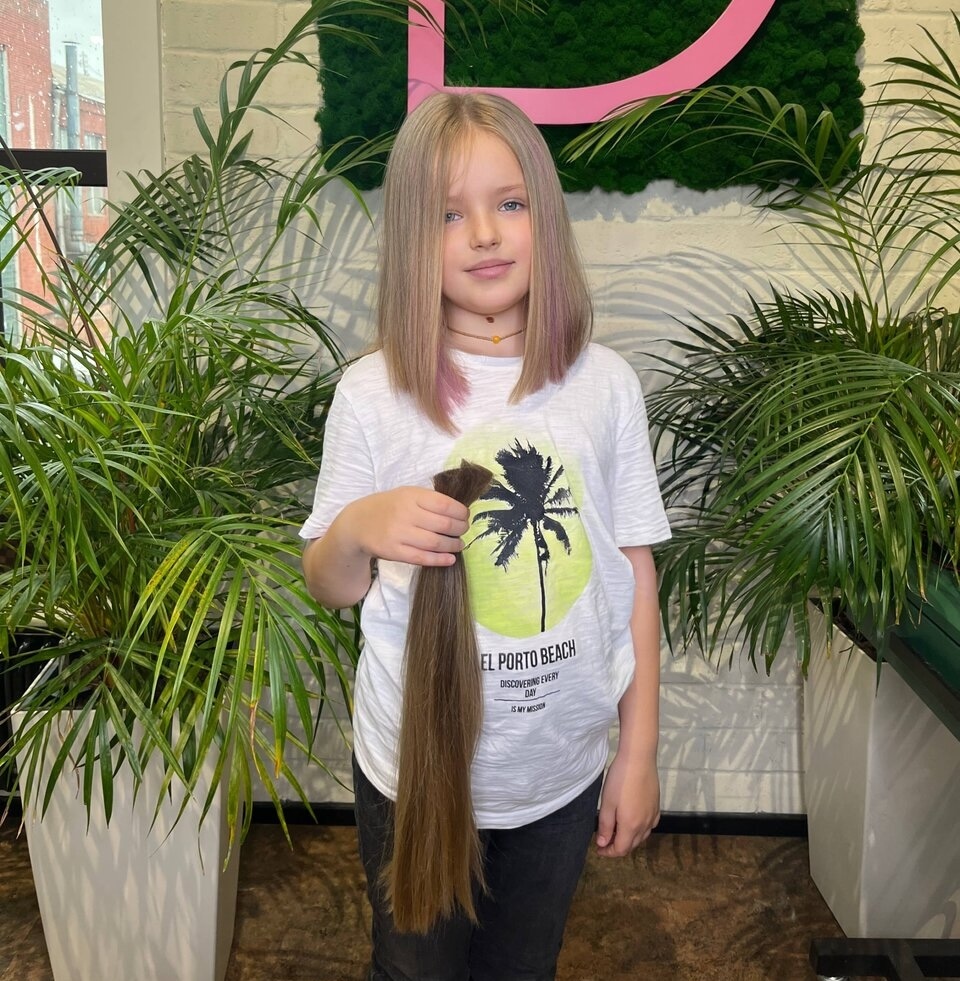
One of the strongest advantages of DAJMUR natural Slavic hair is that every cut is single-donor hair.
Single-donor hair means the hair comes from one person. The color, structure, density, softness, and natural movement are consistent throughout the cut.
Mixed hair is different. It may include hair from many donors with different structures and conditions. Some strands may be soft, others may be coarse. Some may react well to coloring, while others may become dry, orange, greenish, or damaged.
For professional stylists, single-donor hair is much more predictable. For clients, it gives a more natural and longer-lasting result.
Single-donor hair means the hair comes from one person. The color, structure, density, softness, and natural movement are consistent throughout the cut.
Mixed hair is different. It may include hair from many donors with different structures and conditions. Some strands may be soft, others may be coarse. Some may react well to coloring, while others may become dry, orange, greenish, or damaged.
For professional stylists, single-donor hair is much more predictable. For clients, it gives a more natural and longer-lasting result.
Factory-Processed Hair of Unknown Origin
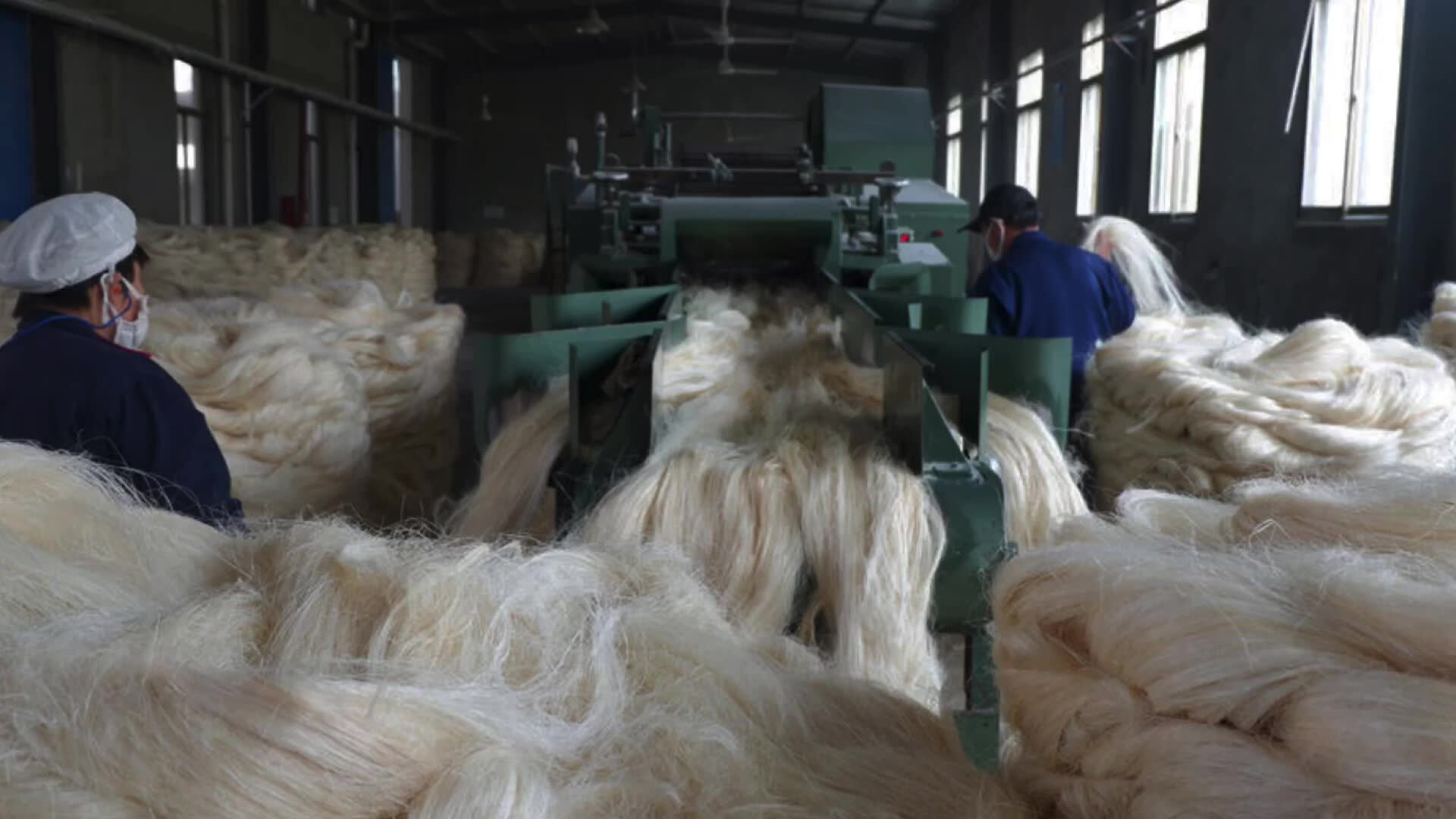
Factory-processed hair of unknown origin is usually created for mass-market supply. It is often collected in large quantities, mixed, chemically processed, and prepared to look attractive at the moment of sale.
Very often, this type of hair is originally darker, thicker, denser, and more rigid. To make it look like lighter European or Slavic hair, factories may use aggressive chemical treatments to remove the original pigment.
This process can damage or destroy the natural cuticle layer.
The cuticle is extremely important because it protects the hair and helps maintain smoothness, shine, elasticity, and durability. When the cuticle is damaged or removed, the hair may become dry, rough, tangled, and short-lived.
Very often, this type of hair is originally darker, thicker, denser, and more rigid. To make it look like lighter European or Slavic hair, factories may use aggressive chemical treatments to remove the original pigment.
This process can damage or destroy the natural cuticle layer.
The cuticle is extremely important because it protects the hair and helps maintain smoothness, shine, elasticity, and durability. When the cuticle is damaged or removed, the hair may become dry, rough, tangled, and short-lived.
Why Some Factory Hair Looks Good at First
Low-quality processed hair can look beautiful in the beginning because it may be coated with silicone or other smoothing agents.
This creates a temporary soft and shiny appearance. But this effect does not last forever.
After several washes, the coating can start to disappear. Then the real condition of the hair becomes visible: dryness, tangling, stiffness, uneven texture, and loss of shine.
This is one of the main reasons why some extensions look perfect in the package but become difficult to wear after a short time.
This creates a temporary soft and shiny appearance. But this effect does not last forever.
After several washes, the coating can start to disappear. Then the real condition of the hair becomes visible: dryness, tangling, stiffness, uneven texture, and loss of shine.
This is one of the main reasons why some extensions look perfect in the package but become difficult to wear after a short time.
Coloring Problems with Overprocessed Hair
Another major problem with heavily processed factory hair is unpredictable coloring.
If the cuticle layer is damaged and the hair has already been aggressively treated, it may not respond properly to professional coloring or toning. The result can be uneven, dull, overly warm, too dark, or structurally damaged.
This is especially important for clients who want to adjust the shade later.
Natural Slavic hair gives more flexibility. Because the hair is not heavily processed, it can often be professionally toned or colored if needed. This should always be done by an experienced stylist, but the material itself is more predictable than factory-processed unknown-origin hair.
If the cuticle layer is damaged and the hair has already been aggressively treated, it may not respond properly to professional coloring or toning. The result can be uneven, dull, overly warm, too dark, or structurally damaged.
This is especially important for clients who want to adjust the shade later.
Natural Slavic hair gives more flexibility. Because the hair is not heavily processed, it can often be professionally toned or colored if needed. This should always be done by an experienced stylist, but the material itself is more predictable than factory-processed unknown-origin hair.
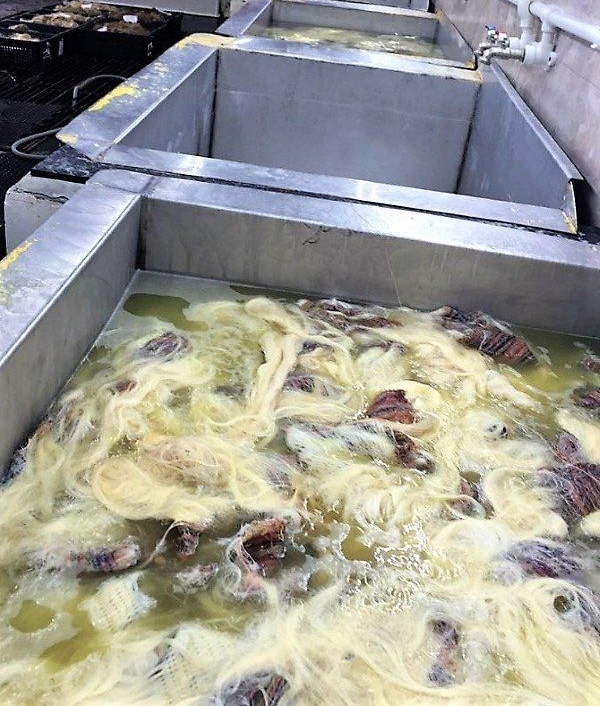
Texture Difference: Slavic Hair vs Asian Factory Hair
Many factory hair products are made from Asian hair because it is widely available and can be collected in larger volumes.
Asian hair can be beautiful in its natural form, but its structure is often thicker, denser, and more rigid than Slavic hair. To make it look like lighter European hair, it may need strong bleaching, chemical softening, or deep processing.
That is where problems begin.
When naturally dark, dense hair is chemically transformed into light blond or soft European-looking hair, the structure may be damaged. The hair may lose its natural protection and become dependent on coating products to look good.
Natural Slavic hair is different. It often already has softer texture, lighter natural shades, and a more delicate structure. It does not need aggressive transformation to look premium.
Asian hair can be beautiful in its natural form, but its structure is often thicker, denser, and more rigid than Slavic hair. To make it look like lighter European hair, it may need strong bleaching, chemical softening, or deep processing.
That is where problems begin.
When naturally dark, dense hair is chemically transformed into light blond or soft European-looking hair, the structure may be damaged. The hair may lose its natural protection and become dependent on coating products to look good.
Natural Slavic hair is different. It often already has softer texture, lighter natural shades, and a more delicate structure. It does not need aggressive transformation to look premium.
How DAJMUR Prepares Natural Slavic Hair
At DAJMUR, the quality control process starts before the hair is purchased.
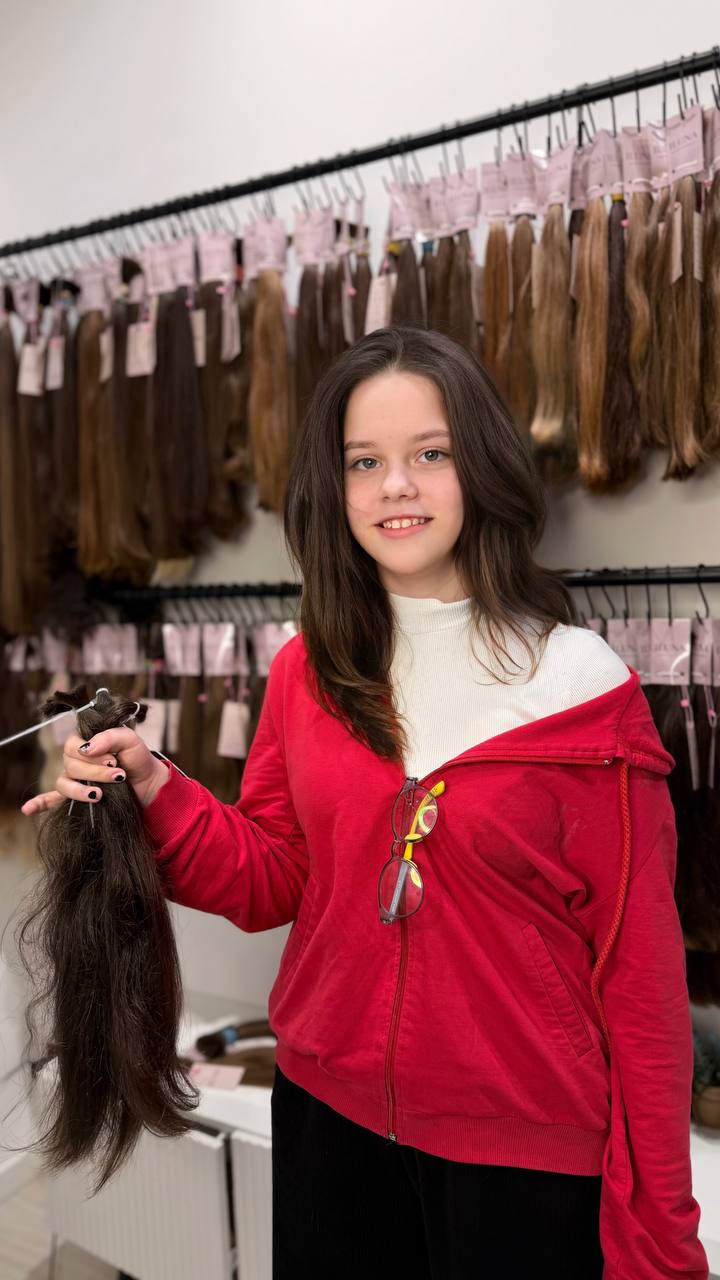
We personally check the donor and the condition of the hair. We look at the natural color, density, structure, softness, ends, and overall health. We buy the hair only after we are sure it meets our standards.
After cutting, the hair is carefully prepared.
It is washed with high-quality shampoos and masks, dried naturally, combed, and stored under proper humidity conditions. Natural drying is especially important because it allows us to see the real structure of the hair without artificial styling.
We do not hide the hair’s natural behavior. We want to understand it clearly before offering it to clients or using it for extensions, clip-in wefts, bangs, ponytails, or custom hairpieces.
We personally check the donor and the condition of the hair. We look at the natural color, density, structure, softness, ends, and overall health. We buy the hair only after we are sure it meets our standards.
After cutting, the hair is carefully prepared.
It is washed with high-quality shampoos and masks, dried naturally, combed, and stored under proper humidity conditions. Natural drying is especially important because it allows us to see the real structure of the hair without artificial styling.
We do not hide the hair’s natural behavior. We want to understand it clearly before offering it to clients or using it for extensions, clip-in wefts, bangs, ponytails, or custom hairpieces.
Why Natural Drying Matters
Heat styling can temporarily make hair look smoother, straighter, or more polished than it really is.
Natural drying shows the truth.
It helps us see whether the hair is straight, slightly wavy, fine, dense, soft, or textured. This is essential for proper matching.
For premium clients, color matching is not enough. The hair must also match the natural structure and movement of their own hair. This is why we pay close attention to how every donor cut behaves after washing and natural drying.
Natural drying shows the truth.
It helps us see whether the hair is straight, slightly wavy, fine, dense, soft, or textured. This is essential for proper matching.
For premium clients, color matching is not enough. The hair must also match the natural structure and movement of their own hair. This is why we pay close attention to how every donor cut behaves after washing and natural drying.
Slavic Hair Is Not Just “Better” — It Is More Predictable
The main advantage of high-quality Slavic hair is predictability.
It behaves more naturally. It blends more softly. It is easier to match. It usually feels lighter and more comfortable. It can last longer when cared for correctly. It is more suitable for premium extensions and custom handmade hairpieces.
For clients in the United States who want natural-looking hair extensions, this matters.
The goal is not just to add length. The goal is to make the result look like your own hair.
It behaves more naturally. It blends more softly. It is easier to match. It usually feels lighter and more comfortable. It can last longer when cared for correctly. It is more suitable for premium extensions and custom handmade hairpieces.
For clients in the United States who want natural-looking hair extensions, this matters.
The goal is not just to add length. The goal is to make the result look like your own hair.
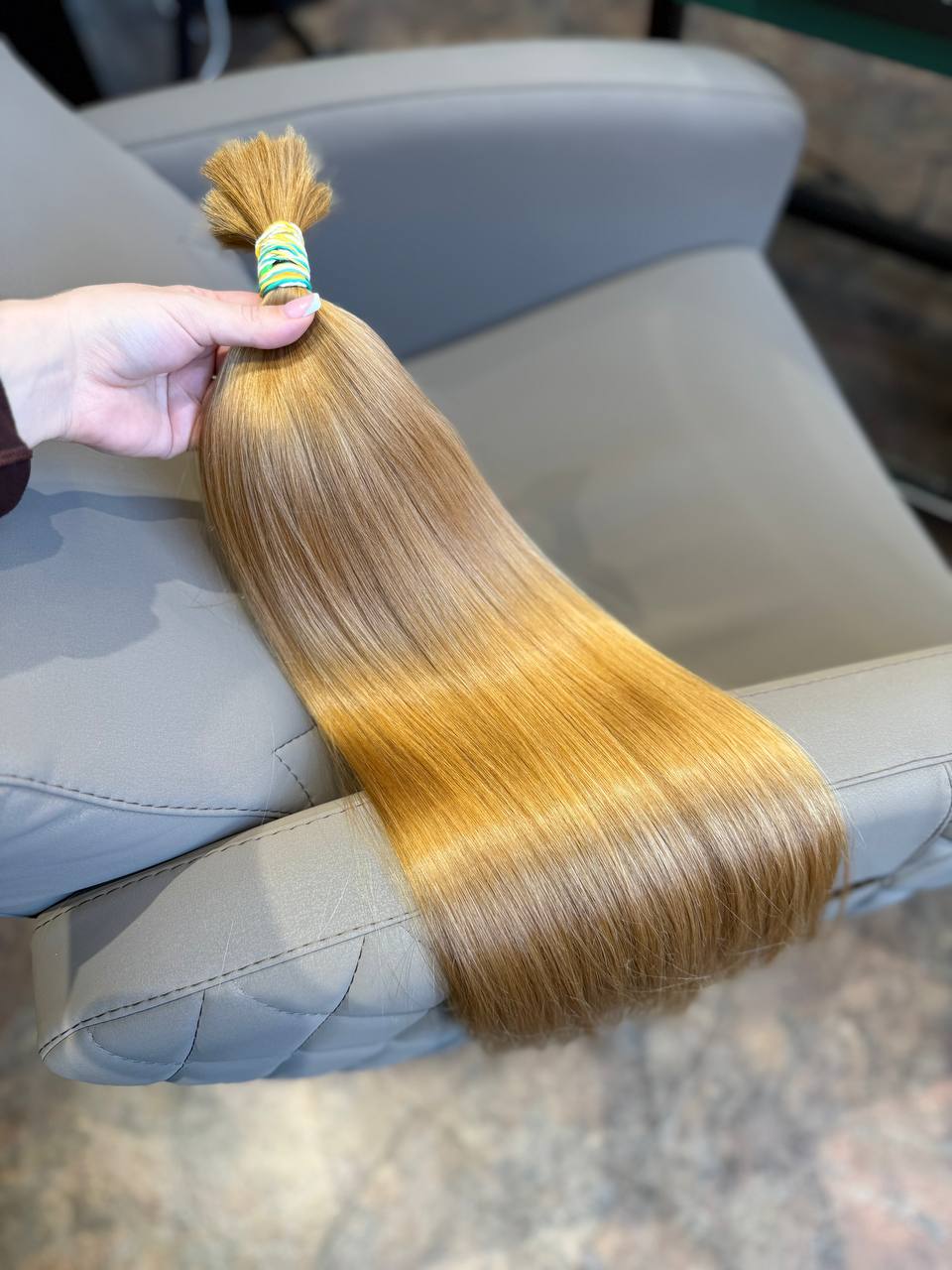
Slavic Hair vs Remy Hair: The Key Difference
The key difference is simple:
Remy hair describes cuticle direction.
Slavic hair describes origin, structure, softness, and natural quality.
The best option is not just “Remy.” The best option is natural, healthy, single-donor Slavic hair with preserved structure and careful preparation.
A Remy label does not automatically guarantee luxury quality. But verified natural Slavic hair, especially single-donor hair, gives a much stronger foundation for premium extensions and handmade hairpieces.
Remy hair describes cuticle direction.
Slavic hair describes origin, structure, softness, and natural quality.
The best option is not just “Remy.” The best option is natural, healthy, single-donor Slavic hair with preserved structure and careful preparation.
A Remy label does not automatically guarantee luxury quality. But verified natural Slavic hair, especially single-donor hair, gives a much stronger foundation for premium extensions and handmade hairpieces.
Why DAJMUR Natural Slavic Hair Is Different
DAJMUR hair is different because we control the full process:
We source natural Slavic hair directly from CIS countries.
We personally know the donors.
We check the hair before purchase.
We work with photo and video confirmation.
We buy only healthy hair.
We prepare single-donor cuts.
We wash hair with quality shampoos and masks.
We dry hair naturally to see the real structure.
We comb and prepare the hair professionally.
We store the hair under proper conditions.
This is not mass-market hair. This is a carefully selected premium material for clients and stylists who understand the value of real quality.
We source natural Slavic hair directly from CIS countries.
We personally know the donors.
We check the hair before purchase.
We work with photo and video confirmation.
We buy only healthy hair.
We prepare single-donor cuts.
We wash hair with quality shampoos and masks.
We dry hair naturally to see the real structure.
We comb and prepare the hair professionally.
We store the hair under proper conditions.
This is not mass-market hair. This is a carefully selected premium material for clients and stylists who understand the value of real quality.
Which Hair Should You Choose?
f you need affordable temporary hair for short-term use, standard Remy hair may be enough.
But if you want premium quality, natural movement, a soft texture, better blending, longer wear, and more predictable behavior, natural Slavic hair is a stronger choice.
For professional stylists, salons, and clients who want a luxury result, DAJMUR natural Slavic hair offers a higher level of control and transparency.
Final Thought
The difference between Slavic hair and Remy hair is not only about terminology. It is about trust, origin, structure, and long-term quality.
Remy hair can be good, but the word “Remy” does not guarantee that the hair is premium, natural, healthy, or minimally processed.
Natural Slavic hair, when sourced correctly, gives a softer, more realistic, and more reliable result. At DAJMUR, we select each donor cut personally, verify the hair before purchase, prepare it carefully, and use it for premium extensions and handmade hair products.
When buying human hair extensions, do not look only at the label. Look at the origin, donor control, processing, and preparation.
That is where the real difference begins.
But if you want premium quality, natural movement, a soft texture, better blending, longer wear, and more predictable behavior, natural Slavic hair is a stronger choice.
For professional stylists, salons, and clients who want a luxury result, DAJMUR natural Slavic hair offers a higher level of control and transparency.
Final Thought
The difference between Slavic hair and Remy hair is not only about terminology. It is about trust, origin, structure, and long-term quality.
Remy hair can be good, but the word “Remy” does not guarantee that the hair is premium, natural, healthy, or minimally processed.
Natural Slavic hair, when sourced correctly, gives a softer, more realistic, and more reliable result. At DAJMUR, we select each donor cut personally, verify the hair before purchase, prepare it carefully, and use it for premium extensions and handmade hair products.
When buying human hair extensions, do not look only at the label. Look at the origin, donor control, processing, and preparation.
That is where the real difference begins.
REQUEST PREMIUM SLAVIC HAIR MATCHING